May 13, 2026
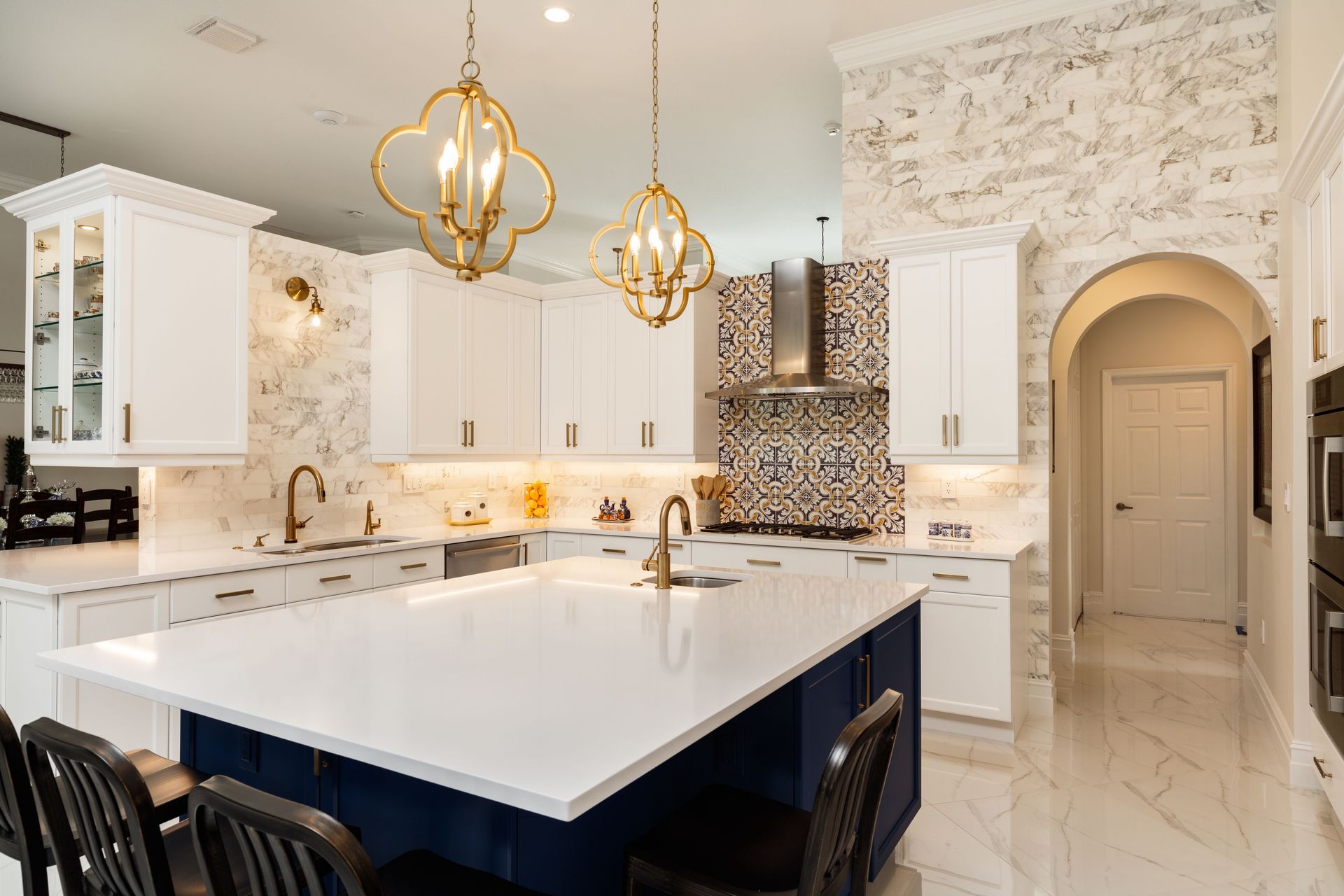
Explore the unique characteristics that set marble countertops apart from other natural stones. From aesthetic appeal to practical considerations, delve into the specifics that influence choice and functionality in interior design. Marble countertops stand out in any space they adorn, from the classic elegance of a Carrara marble kitchen island to the subtle sophistication of a marble bathroom vanity. This article will provide an exhaustive exploration, segmenting its analysis into distinct categories for clarity. We aim to offer a comprehensive comparison that highlights why marble remains a premier choice for discerning homeowners and designers alike.
1. Aesthetic Differences
1.1. Veining Patterns
Marble is renowned for its distinctive veining patterns, which differentiate it from stones like granite and quartzite. These natural lines are formed by impurities such as iron and clay that are present during marble's geological formation, giving each slab a unique appearance. In contrast, granite often exhibits a more consistent grain pattern, while quartzite maintains a subtler look with fewer veins. The distinctive veining of marble makes it an artistic centerpiece in any room, providing a dynamic visual interest that can complement both classic and modern décors. Homeowners often choose marble specifically for these unique patterns that add character and elegance to a space.
1.2. Color Variations
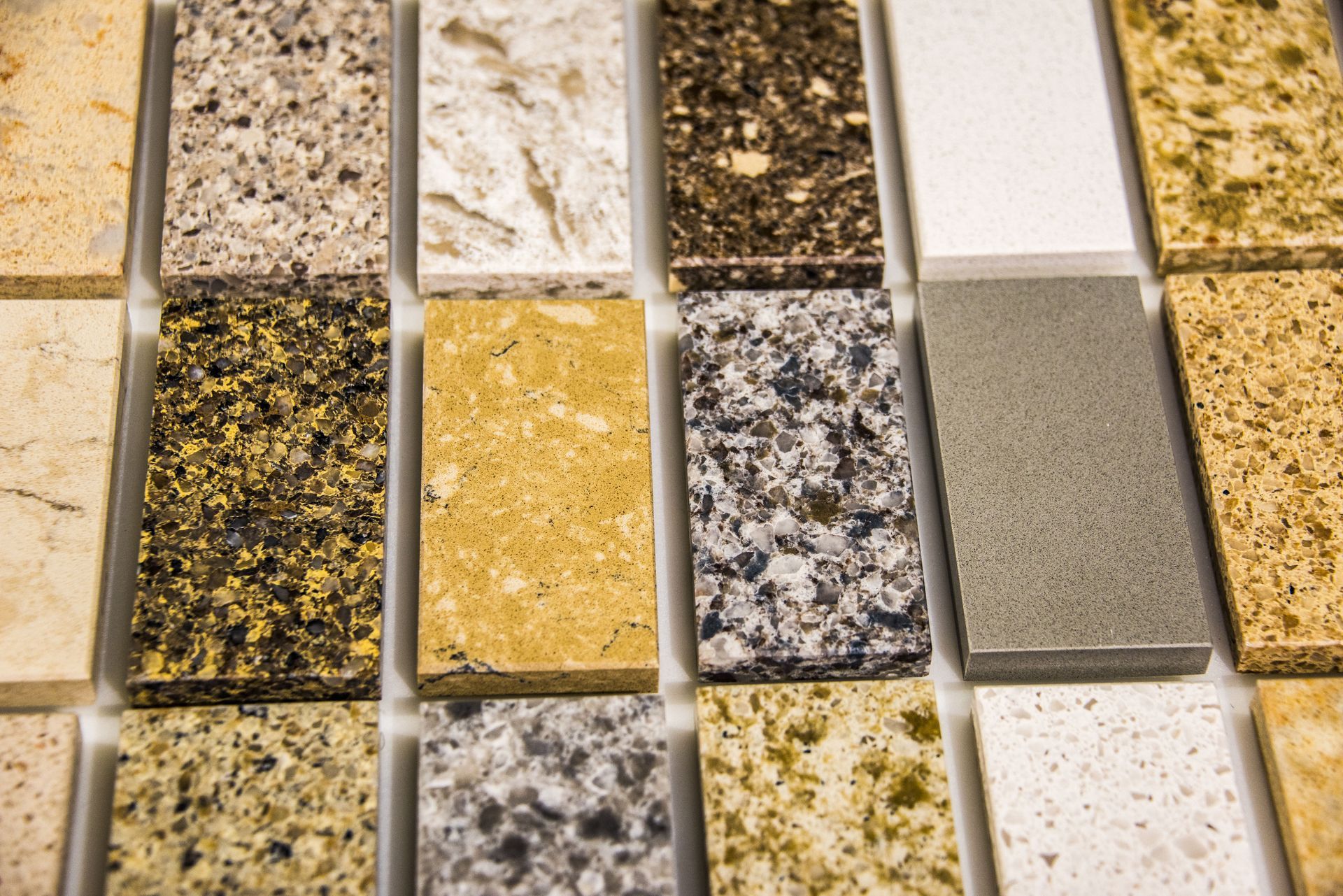
The color variations in marble are vast and can range from milky whites to deep blues and greens. These variations allow for flexibility in design, making marble an adaptable choice for various color schemes. Unlike granite, which typically leans towards earth tones, or quartzite, which is often more restrained, marble offers dramatic hues and vibrant options. The ability to select marbles with unique color variations ensures that each installation stands as a bespoke piece of art. Marble’s color diversity plays a vital role in its popularity, providing options that can cater to specific design visions and personal tastes.
1.3. Texture and Finish
Marble is cherished for its smooth, tactile texture, which lends a naturally luxurious feel to interiors. The stone's ability to be polished to a high gloss or honed for a matte finish adds to its versatility in design applications. Compared to the rougher granularity of granite or the more uniform texture of quartzite, marble's supple surface enhances its aesthetic appeal. This smooth texture contributes to the reflective qualities of marble, allowing light to play beautifully across its surface. Whether used in a sleek, modern environment or a traditionally styled space, marble’s texture elevates its surroundings through both look and feel.
1.4. Natural Luster
One of marble’s most appealing characteristics is its natural luster, which sets it apart from other stones like granite and slate. The polished finish of marble allows it to reflect light, creating a sense of space and brightness in a room. This sheen contributes to the luxurious impression that marble countertops convey, similar to how a polished diamond captures the light. The lustrous quality of marble can elevate the aesthetic of any space, from kitchens to bathrooms and beyond. While other stones can indeed be polished, few achieve the inherent radiance that defines marble.
1.5. Appearance Over Time
Marble uniquely develops a patina over time, adding to its charm and character. This aging process, where the stone takes on subtle color shifts and surface changes, is seen as desirable by many and often referred to as developing a classic ‘character.’ In contrast, stones like granite generally retain their original appearances with minimal change, appealing to those preferring a more uniform look. The natural aging process of marble is part of its allure, embodying history and authenticity. It offers a living testament to its environment, reflecting light and use in a way that few other materials can match.
2. Durability and Hardness
2.1. Scratching Susceptibility
Compared to other natural stones, marble is softer and more susceptible to scratches. While this characteristic makes it easier for artisans to carve and shape, it also means increased vulnerability to damage. Granite and quartzite, on the other hand, rank higher on the Mohs hardness scale, making them more resistant to everyday wear and tear. This aspect of marble demands extra care and mindfulness in high-traffic areas such as kitchens, where common activities may lead to surface blemishes. Homeowners must weigh their tolerance for imperfections against the aesthetic benefits of choosing marble.
2.2. Heat Resistance
Marble is capable of withstanding high temperatures, up to a point, but it is not as heat resistant as granite. The risk of thermal shock and discoloration is higher if hot pots or pans are placed directly on marble surfaces. Granite's superior heat resistance makes it more suitable for busy kitchens, where cooking and heat exposure are frequent. Despite this, marble remains a viable option if proper precautions, like using trivets or mats, are observed. The decision to use marble, therefore, involves a balance of aesthetic preference with practical kitchen functionality.
2.3. Stain Resistance
Marble’s porosity is a critical factor influencing its susceptibility to staining. When comparing marble with relatively non-porous stones like quartzite or engineered quartz, its vulnerability to stains from oils, acids, and pigments becomes a significant concern. Granite and other stones typically withstand spills better and are less prone to absorbing liquids. The porous nature of marble necessitates frequent sealing and careful cleaning to maintain its appearance. For those willing to commit to this maintenance, the visual advantages may outweigh the practical downsides.
2.4. Longevity and Wear
Despite its limitations, marble is celebrated for its enduring beauty and timeless appeal, maintaining viability in design for centuries. While it may require more care than granite or quartzite, when well maintained, marble can continue to provide elegance and functionality for many years. Its ability to develop character through patina enhances its charm and longevity. Environments such as grand cathedrals and historical buildings exemplify marble’s resilience and everlasting prestige. Approached with care and respect, marble becomes not only an investment in durability but also in long-term visual impact.
2.5. Maintenance Requirements
Maintaining marble requires a commitment to regular care to preserve its natural beauty, differentiating it from other stones with lower maintenance needs. Routine sealing is crucial to protect against liquid penetration and staining. Daily cleaning with a pH-balanced solution helps to avoid etching, a common issue with acidic substances. Marble’s maintenance must be assessed not only as an ongoing commitment but as a factor in the overall lifestyle fit. For homeowners willing to embrace these requirements, the aesthetic rewards of marble can be well worth the effort.
3. Cost Considerations
3.1. Initial Investment
Purchasing and installing marble can represent a significant initial investment compared to other natural stones. The initial cost varies depending on the type and rarity of the marble chosen, with well-known options like Calacatta and Carrara commanding premium prices. Granite and quartzite sometimes offer more economical choices, depending on the quality and sourced variety. While the upfront costs may be steep for marble, homeowners are often drawn to its unique aesthetic and prestige despite this consideration. The allure of custom, high-end design frequently justifies the higher expense for those seeking luxury finishes.
3.2. Cost of Upkeep
The ongoing maintenance costs for marble are another essential factor for potential buyers to consider. Regular sealing and cleaning products can add to the overall financial commitment. Compared to granite or quartzite, which may require less frequent maintenance, marble demands more attention to retain its appearance. These expenses need to be factored into the long-term ownership costs. For those committed to maintaining stunning aesthetics, however, the costs are often justified by the unmatched elegance marble provides.
Investing in marble countertops can have a positive impact on home resale value, thanks to marble's association with luxury and sophistication. In competitive housing markets, having high-quality marble installations can serve as a premium selling point. While the initial investment is considerable, it can translate into increased property value when marketed to discerning buyers. According to Fixr, most kitchens have around 30 to 40 square feet of countertop space, and utilizing marble in such a high-impact area can significantly influence buyer perception. Marble’s timeless appeal often persuades potential homeowners and can justify its original purchase price in the end. Be sure to reach out to Signature Surfaces NW today for more information on our professional marble countertop services!