August 19, 2026
The kitchen serves as the central hub of daily life in most homes, enduring heavy foot traffic, constant food preparation, and intense daily utility. Over time, surfaces that once looked modern, crisp, and vibrant begin to show their age through subtle wear, stubborn discoloration, and gradual structural fatigue. Countertops in particular endure the brunt of daily culinary activities, supporting scorching cookware, sharp cutting tools, heavy grocery bags, and aggressive liquid spills. When these essential surfaces outlast their intended operational lifespan, they gradually introduce both subtle inconveniences and significant structural difficulties into the daily household routine.
Recognizing when a surface has finally reached the natural end of its functional life is an essential step in maintaining a healthy, safe, and efficient home environment. According to HomeAdvisor, a majority of homeowners choose to renovate their kitchens every 10 to 15 years. Planning a professional kitchen counter installation allows homeowners to align with this timeline, resolving deep-seated surface issues permanently while dramatically upgrading both room aesthetics and practical everyday utility. Understanding the long-term consequences of keeping worn surfaces helps homeowners make well-timed, informed decisions about when to modernize.
Problem 1: Persistent Stains and Surface Degradation
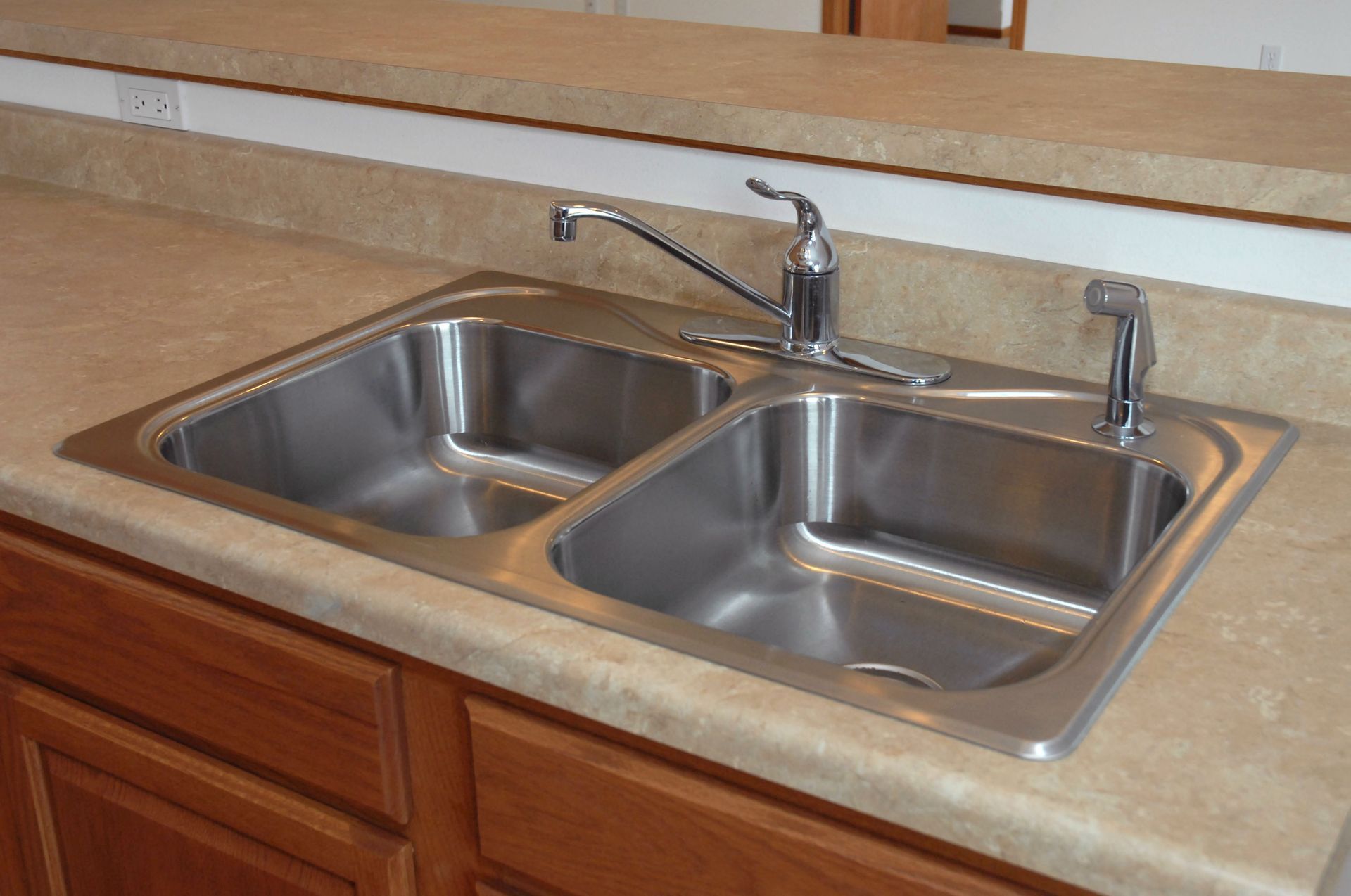
Over long years of continuous family cooking and meal preparation, countertop materials gradually lose their protective sealants, specialized coatings, and factory finishes. Laminates can peel and lift along high-use edge seams, natural stone seals wear down under daily cleaning routines, and solid surfaces absorb acidic liquids like fresh citrus juices, dark tomato sauce, red wine, and morning coffee. Once the essential protective top layer degrades, liquids penetrate deep into the internal substrate, causing stubborn, permanent discoloration that standard household cleaning products simply cannot remove. This ongoing surface decay creates an unappealing, dingy appearance that makes the entire room feel neglected and unclean, despite rigorous daily maintenance and scrubbing routines.
When repeated sealing treatments no longer prevent liquid absorption, investing in a fresh kitchen counter installation becomes the most practical way to restore a non-porous, stain-resistant work area. Continuing to prepare meals on compromised, porous surfaces leads to frustrating cleanup sessions and compounding visual damage that continuously detracts from the true enjoyment of cooking and entertaining family.
Problem 2: Bacterial Growth in Hidden Cracks
As countertops age under continuous physical stress, thermal shock from hot cookware, and heavy structural impacts, microscopic fissures, hairline cracks, and seam separations inevitably develop. These tiny, unsealed crevices provide an ideal, sheltered environment for moisture, microscopic food particles, grease, and harmful bacteria to accumulate over extended periods. Because standard sponges and surface cleaning cloths cannot reach deep inside these narrow gaps, harmful pathogens can thrive entirely undetected directly in the primary areas where daily family meals are prepared.
Over time, moisture trapped within cracked substrates can foster stubborn mold and mildew, leading to persistent odorous buildup and genuine health risks for household members. While chemical surface sanitizers offer temporary relief on smooth areas, they cannot reach deep inside fractured materials to neutralize hidden contaminants. Replacing these compromised surfaces with a precise kitchen counter installation eliminates these deep-seated cracks, ensuring a smooth, hygienic environment for safe meal preparation and worry-free dining.
Problem 3: Diminished Property Value and Buyer Appeal
Kitchens are widely considered the primary focal point for prospective homebuyers evaluating a residential property during market walkthroughs. Outdated, cracked, chipped, or badly discolored countertops immediately draw negative attention and can significantly diminish the overall perceived market value of an entire residence. Real estate professionals frequently note that prospective buyers mentally deduct the generous estimated cost of major updates from their purchase offers when viewing aged, outdated, or neglected kitchens.
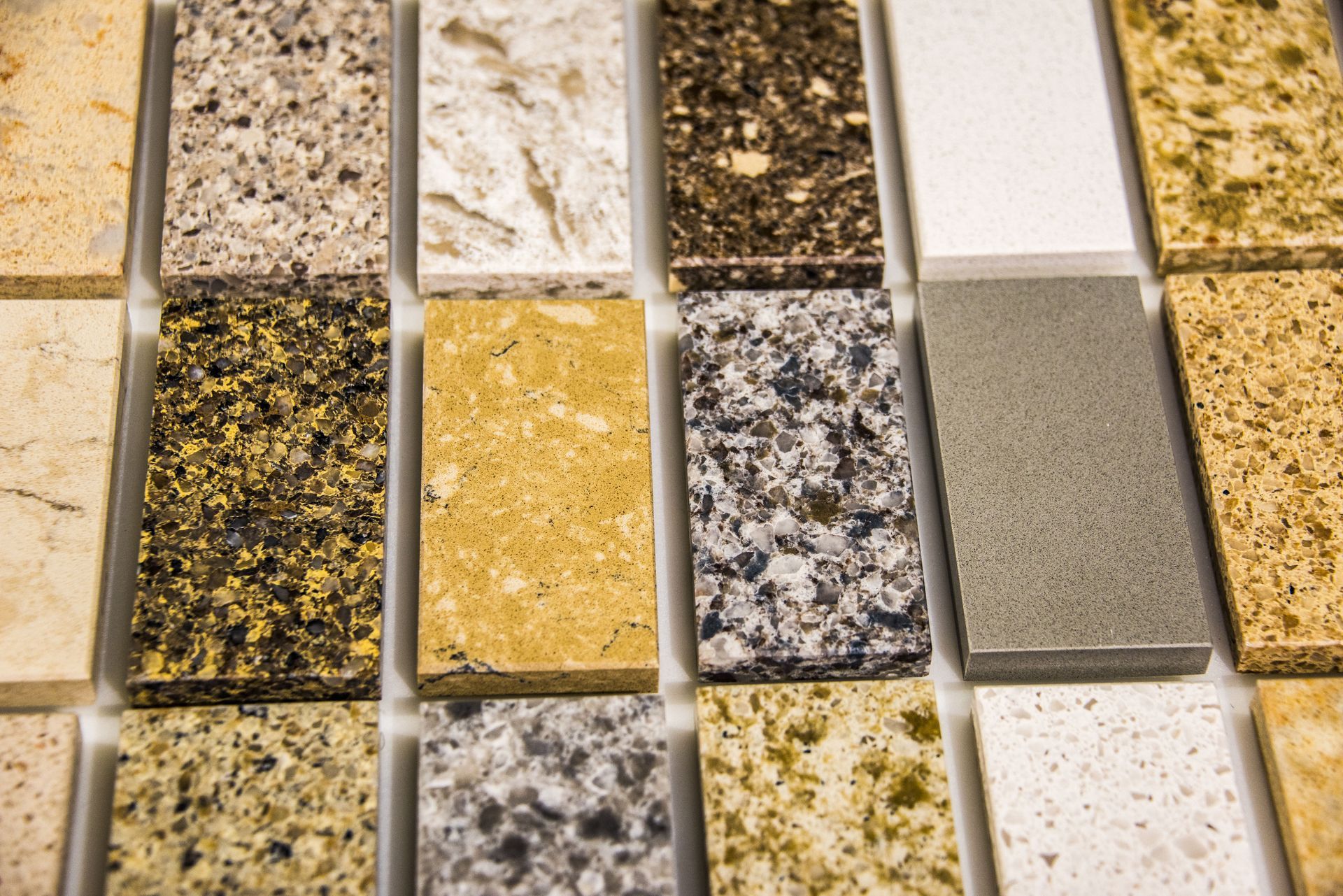
Old laminate finishes, chipped tile grout lines, or outdated retro color patterns strongly suggest to buyers that the home has not been properly maintained or updated over the years. By scheduling a timely, professional kitchen counter installation, homeowners protect their financial equity and ensure their property remains highly competitive in the modern housing market. Modern, durable materials signal quality, care, and value, giving potential buyers immediate confidence in the overall structural and aesthetic condition of the entire house.
Problem 4: Structural Sagging and Cabinet Damage
Old countertops do not merely suffer on their visible top surfaces; their underlying structural support systems slowly deteriorate over time as well. Older particle board or plywood substrates often absorb ambient moisture and liquid leaks around sinks, dishwashers, and seam lines, causing the internal core material to swell, warp, and rot. As the internal substrate progressively weakens, the immense weight of heavy countertop materials can cause noticeable sagging, placing uneven, dangerous stress on the supporting lower cabinetry beneath.
In severe cases, moisture continuously leaking through failing countertop seals can completely ruin custom cabinet frames, subflooring, and surrounding drywall, turning a simple surface issue into an extensive structural restoration project. A professional kitchen counter installation addresses these foundational vulnerabilities directly by securing new, reinforced materials on sound cabinet bases long before extensive water damage occurs. Proactive replacement prevents extremely costly secondary repairs beneath the work surfaces.
Problem 5: Escalating Repair and Maintenance Costs
Attempting to maintain severely aged or damaged countertops often becomes a frustrating exercise in diminishing financial returns for homeowners. Property owners frequently spend considerable time, energy, and money on specialized cleaning solutions, temporary seam fillers, re-grouting kits, and topical sealants to keep old surfaces looking presentable. Despite these ongoing financial investments, temporary surface fixes rarely address the root physical causes of material breakdown and completely fail to prevent further long-term decay.
The accumulated cost of minor repairs, specialty chemical treatments, and professional restorers can quickly approach or exceed the expense of a permanent surface upgrade. Choosing a modern kitchen counter installation stops the endless, frustrating cycle of temporary repairs and replaces worn materials with low-maintenance, high-durability surfaces built for the long haul. Modern engineered materials require far less routine effort, allowing homeowners to save money, energy, and precious time on daily maintenance tasks.
Problem 6: Inefficient Ergonomics and Poor Workflow
Older kitchen designs often reflect outdated architectural trends, restricted space layouts, and workflow philosophies that fail to meet modern household demands and modern appliances. Aged countertops may feature awkward seam placements, insufficient preparation depth, or sharp, hazardous corners that hinder smooth cooking and cleaning routines. Furthermore, older installations almost always lack modern integrated features such as seamless undermount sink cutouts, flush cooktop fits, or heat-resistant preparation zones.
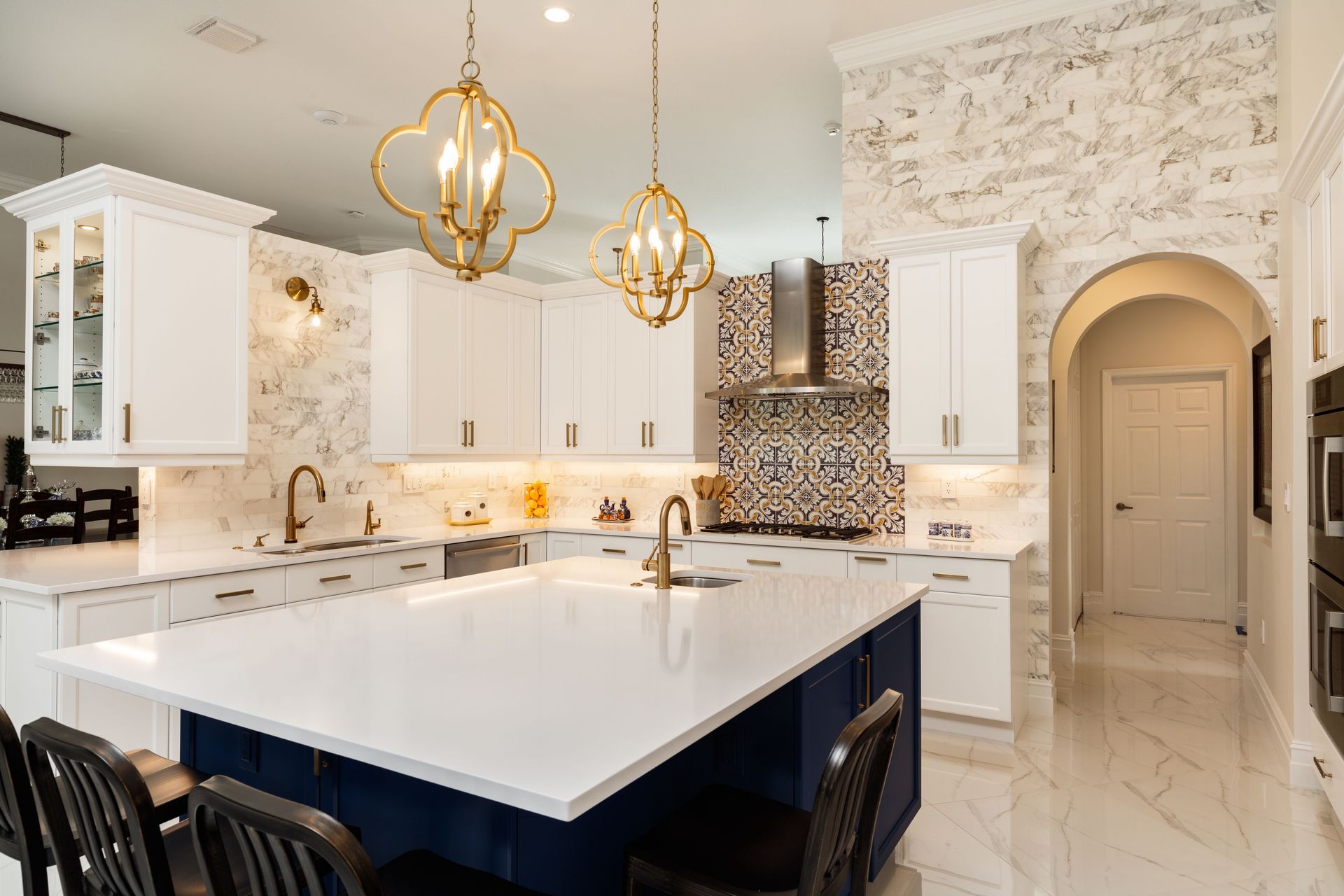
Living with an inefficient kitchen layout creates daily physical friction, severely limiting prep space and making culinary tasks unnecessarily tedious and crowded for multiple cooks in the house. Upgrading through a well-planned kitchen counter installation provides an ideal opportunity to reconfigure workspace dimensions, smooth out high-traffic movement patterns, and incorporate customized, ergonomic features tailored to modern lifestyles. Updating the physical layout improves both daily ergonomic comfort and overall cooking efficiency for decades to come.
Outdated kitchen counters create far more than just minor aesthetic concerns; they compromise household hygiene, damage underlying cabinet structures, diminish home equity, and complicate daily domestic routines. Ignoring the progressive signs of material decay leads to compounding repairs, hidden structural damage, and ongoing daily frustration. Recognizing the hidden drawbacks of aged surfaces empowers homeowners to take proactive steps toward lasting home improvement and increased property value. Investing in updated materials revitalizes the true heart of the home, providing a safe, clean, and visually pleasing environment for family and guests alike. If you are ready to transform your kitchen with expert craftsmanship and premium materials, contact Signature Surfaces NW today to schedule your consultation.