How to Maintain Your Home After Professional Tile Services
March 13, 2026

March 13, 2026

Understanding how to care for your tiles after installation can extend their lifespan and preserve the beauty of your home. Tiles are a practical and aesthetic choice for any surface, but they require consistent attention to look their best. Neglecting upkeep after receiving tile services can lead to deterioration, discoloration, and damage over time. By adopting a regular cleaning and maintenance routine, homeowners can protect their investment and enjoy beautiful spaces for years to come.


Keep Tiles Clean With Daily and Weekly Routines

Daily sweeping removes the dust and debris that accumulate on tile surfaces and prevents dirt from scratching the finish. A soft-bristle broom or microfiber dust mop is ideal for avoiding surface damage, and a vacuum with a hose attachment can reach corners where buildup tends to hide. Weekly mopping with hot water and a mild cleaning solution takes care of any remaining residue. Microfiber mops work especially well because they clean thoroughly without leaving streaks behind. After mopping, make sure floors dry quickly to prevent residue buildup and reduce slip hazards.


Choosing the right cleaning products matters just as much as the routine itself. Products with a neutral pH are best for maintenance after tile services because they won't etch or degrade the surface over time. For natural stone tiles, use cleaners specifically formulated for the stone type. Harsh or acidic cleaners strip the finish, leaving surfaces dull and vulnerable. Always check product labels and do a spot test before applying anything new to a larger area.


Grout lines deserve special attention, as they trap dirt and stain easily. A small grout brush can scrub away buildup effectively, and a paste made from baking soda and water works well for deeper cleaning. Apply the paste, let it sit for a few minutes, then scrub and rinse thoroughly. After cleaning, sealing grout lines offers added protection against future staining. Avoid abrasive tools such as metal brushes or scouring pads, which can leave permanent marks on tile surfaces.


Remove Stains Promptly and Prevent Future Ones

Stains from food, drinks, mud, or oil each require a different approach, so identifying the type quickly leads to better results. Water-based stains often respond well to mild soap and water, while oil-based stains may need a solvent-based cleaner. The most important step in tile service is acting fast — blotting a spill with a damp cloth rather than rubbing it prevents the stain from spreading into the tile or grout. Prompt attention reduces the need for more aggressive cleaning methods later and helps preserve the results of your professional tile services.


For stubborn stains that resist basic cleaning, a baking soda paste applied directly to the spot can lift discoloration without damaging the finish. More persistent issues may call for professional-grade cleaners with stronger formulas, but always confirm the product is safe for your specific tile type before use. According to HomeAdvisor, scheduling professional tile and grout cleaning every six to 12 months helps prevent stain accumulation and keeps the surface finish in top condition. Applying a protective sealant after cleaning acts as a barrier against future spills and makes everyday cleanup much easier. Reapply sealant periodically, as it gradually wears down with regular use.


Protect Tile Surfaces From Physical Damage

High-traffic areas benefit greatly from strategically placed rugs and floor mats. Entry mats stop dirt and debris from being tracked in on shoes, while rugs in living spaces cushion the tile from furniture contact and foot traffic. Make sure rugs have non-slip backings to prevent accidents, and wash or shake them out regularly to keep the surrounding tile clean. Furniture protectors — felt pads or rubber tips placed under chair and table legs — are simple additions that prevent scratches and scuffs from forming over time.


Limiting foot traffic in certain tile areas, especially from hard-soled shoes, reduces wear and extends the life of both the tile and grout. Encouraging family members to remove footwear or use alternative paths through heavily tiled spaces can make a noticeable difference in long-term condition. Heavy objects dropped on tile can cause chips or cracks that compromise the surface, so consider reorganizing overhead storage in kitchens and bathrooms to reduce that risk. A little preventive effort goes a long way toward protecting the investment made in quality tile services.


Repair Tile and Grout Issues Before They Worsen

Loose tiles are an early warning sign that the adhesive or subfloor beneath may be failing. If tiles shift underfoot, sound hollow when tapped, or show visible gaps at the edges, the issue needs attention before it spreads. Cracked tiles should be repaired as soon as possible, since water can seep beneath them and cause damage to the subfloor. For minor cracks, color-matched tile adhesive mixed with grout can provide a seamless fix. More significant damage may require full tile replacement, which is best handled by a professional who can match the existing material and ensure a proper fit.


Grout deterioration is equally important to address early. Even well-maintained grout eventually shows wear through discoloration or crumbling at the joints. Timely re-grouting restores the integrity of the tile layout without requiring full replacement. Water damage beneath tiles — often signaled by discoloration, mold, or shifting tiles — demands immediate action to stop further spread. A professional tile service assessment can identify the source of the problem and recommend the right repairs to protect the tile work long-term.


Inspect and Maintain Tiles Seasonally

Temperature changes throughout the year affect tile and grout in ways that aren't always immediately visible. In cold weather, fluctuating temperatures cause materials to contract and expand, which can stress grout joints over time. Using sealants rated for temperature variation and maintaining a consistent indoor climate helps reduce this strain. During warmer months, increased foot traffic and outdoor activity bring more dirt and moisture inside, making strategic entry mats and slightly more frequent cleaning important habits to adopt.


Seasonal maintenance should also include a review of tile seals and surface finishes, which wear down with regular use. Catching a dull or degraded finish early means a simpler re-coating job rather than a more involved restoration. A seasonal cleaning checklist — covering vacuuming, scrubbing grout lines, mopping, and inspecting sealant — ensures no area goes neglected. Annual professional inspections add another layer of protection, as technicians can detect moisture issues, adhesive problems, and grout deterioration that homeowners may overlook.


Use Eco-Friendly Products to Clean Tiles Safely

Eco-friendly cleaning products are a smart choice for ongoing tile care because they protect the tile glaze while reducing the chemicals introduced into your home environment. Look for products certified by recognized environmental organizations, which ensure both effectiveness and safety. Common household ingredients like baking soda and water are excellent for spot cleaning and grout scrubbing without causing damage. These DIY approaches also keep costs low while delivering reliable results across different tile types.


Water conservation is another aspect of sustainable tile maintenance worth building into your routine. Pre-soaking mops, reusing rinse water when appropriate, and limiting water flow during rinsing are small habits that add up over time. Disposing of cleaning waste responsibly — avoiding pouring concentrated cleaners down the drain or into unprotected outdoor areas — rounds out an environmentally thoughtful approach to maintaining your tile services investment.


Maintaining tile surfaces doesn't have to feel overwhelming when the right habits are in place. Regular cleaning, prompt stain treatment, physical protection, and timely repairs work together to keep tiles looking as polished as the day they were installed. Whether you're managing everyday upkeep or addressing seasonal wear, consistent attention makes all the difference. If it's time for professional support, contact us at Signature Surfaces NW today. We will deliver the expert tile services that keep your home looking its best.
kitchen counter installation
June 11, 2026
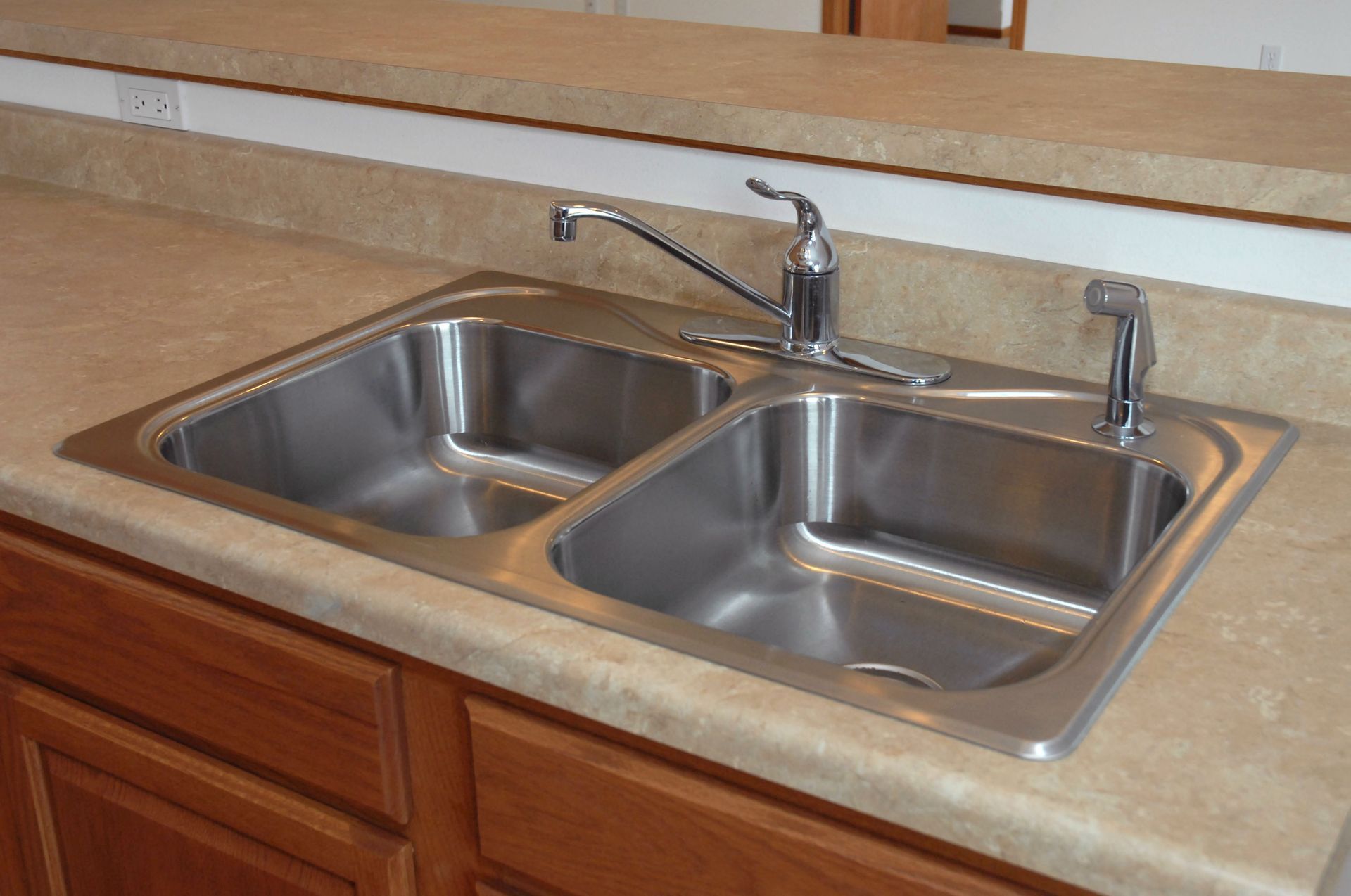
The kitchen serves as the heart of many homes. It is where meals are prepared, conversations happen, and families gather throughout the day. Because countertops are one of the most frequently used surfaces in the home, they naturally experience wear and tear over time. Even high-quality materials eventually show signs of aging, damage, or outdated design. While routine maintenance can help extend the lifespan of a countertop, there comes a point when replacement becomes the smarter investment. An aging surface can affect the appearance, functionality, and even the cleanliness of your kitchen. Knowing when it is time to upgrade can help you avoid bigger problems while improving your overall living space. A professional kitchen counter installation can completely transform a kitchen by providing a fresh appearance, better durability, and improved functionality. If you are unsure whether your current countertop has reached the end of its useful life, these signs may indicate that it is time to consider a replacement. 1. Notice Visible Cracks and Damage One of the clearest signs that a countertop needs replacement is the presence of visible damage. Small chips, cracks, and fractures may initially seem like minor cosmetic issues, but they can quickly become more serious concerns. Over time, everyday activities such as food preparation, moving appliances, and exposure to temperature changes can worsen existing damage. Cracks often expand, while chipped edges may continue to break apart. Beyond their impact on appearance, damaged countertops can also create practical problems. Cracks and crevices can trap food particles, moisture, and bacteria, making thorough cleaning more difficult. In areas where food is prepared regularly, these hidden spaces can create sanitation concerns that are difficult to address through repairs alone. Many homeowners attempt temporary fixes, but repeated repairs can become costly and less effective over time. When damage becomes widespread or affects the structural integrity of the surface, a professional kitchen counter installation is often the most reliable solution. 2. See Persistent Stains and Discoloration Countertops are exposed to a variety of substances every day, including oils, sauces, beverages, cleaning products, and cooking ingredients. Over the years, some materials become increasingly vulnerable to staining, especially if protective finishes have worn away. What begins as a small stain can gradually develop into permanent discoloration that detracts from the appearance of the entire kitchen. Dark spots, faded areas, and uneven coloring often make surfaces look older than they actually are. Persistent stains are not always the result of poor maintenance. In many cases, aging materials simply lose their ability to resist absorption and discoloration. Once staining becomes deeply embedded within the surface, cleaning efforts may no longer deliver satisfactory results. A new kitchen counter installation provides the opportunity to choose materials designed for improved stain resistance and easier maintenance. Modern countertop options often feature advanced finishes that help preserve their appearance despite daily exposure to spills and food preparation activities. 3. Experience Water Damage and Warping Water is one of the most common causes of countertop deterioration. Kitchens naturally involve frequent exposure to moisture, whether from sinks, dishwashing, cooking, or accidental spills. Even small plumbing leaks can cause significant damage when left unnoticed over time. Moisture that penetrates beneath the countertop surface may lead to swelling, warping, bubbling, or soft spots. These issues often indicate that water has already compromised the material beneath the visible surface. Water damage can extend beyond the countertop itself. Cabinets, walls, and surrounding structures may also be affected if moisture problems continue unchecked. As damage spreads, repairs become increasingly expensive and disruptive. When water damage is extensive, replacement is often the most practical option. A professional kitchen counter installation allows homeowners to remove compromised materials and upgrade to surfaces better suited for long-term moisture resistance. 4. Feel Frustrated by an Outdated Appearance Kitchen design trends evolve over time, and countertops often play a major role in defining the overall style of the space. A countertop that looked modern and attractive years ago may now make the entire kitchen feel dated. Outdated colors, patterns, textures, and materials can affect how homeowners feel about their kitchen, even when the surface remains functional. Because countertops occupy a large visual area, they naturally attract attention and influence the room’s overall appearance. Many homeowners find themselves updating appliances, lighting, and cabinetry while realizing that aging countertops no longer complement the rest of the design. In these situations, replacing the countertop can provide one of the most dramatic visual improvements available. A new kitchen counter installation allows homeowners to select materials and finishes that reflect current preferences while creating a cohesive design throughout the kitchen. Beyond personal enjoyment, updated countertops may also contribute to property value. According to Fixr, kitchen improvements that include updated countertops, refinished cabinets, upgraded backsplashes, and new flooring can deliver returns of up to 96% of the investment cost. This makes countertop replacement an upgrade that can offer both immediate enjoyment and long-term value. 5. Spend Too Much Time on Maintenance As countertops age, maintaining their appearance often becomes more difficult. Surfaces that once looked attractive with minimal effort may begin requiring frequent cleaning, sealing, polishing, or repairs. Scratches, worn finishes, and porous materials can make routine maintenance increasingly demanding. Dirt may become trapped in damaged areas, while stains and discoloration require more intensive cleaning methods to manage. Many homeowners eventually become frustrated by the amount of time and effort needed to keep aging countertops looking presentable. What was once a simple cleaning routine can evolve into an ongoing maintenance challenge. Modern countertop materials are often designed with durability and convenience in mind. A professional kitchen counter installation can provide surfaces that resist stains, moisture, scratches, and everyday wear while requiring significantly less maintenance. Reducing maintenance demands can improve the overall kitchen experience. Instead of constantly worrying about preserving the appearance of an aging surface, homeowners can focus on enjoying their space and spending more time with family and friends. 6. Need More Functionality and Workspace A kitchen should support the needs of the people who use it every day. As families grow and lifestyles change, homeowners often discover that their existing countertops no longer provide the functionality they require. Perhaps there is not enough space for meal preparation, entertaining guests, or accommodating multiple people working in the kitchen at the same time. In other cases, the layout may create inefficiencies that make everyday tasks more difficult than they need to be. Countertop replacement offers an opportunity to address these challenges. A thoughtfully planned kitchen counter installation can increase usable workspace, improve workflow, and create a more practical kitchen environment. Homeowners may choose to expand preparation areas, improve accessibility, or select materials that better suit their cooking habits and lifestyle preferences. The result is a kitchen that feels more comfortable, efficient, and enjoyable to use. Functionality is just as important as appearance when evaluating whether a countertop should be replaced. Even if the surface remains structurally sound, a layout that no longer meets household needs can justify an upgrade. Countertops are among the most important features in any kitchen, influencing everything from appearance and cleanliness to functionality and daily convenience. Visible cracks, stubborn stains, water damage, outdated design, excessive maintenance requirements, and limited functionality are all strong indicators that it may be time for a replacement. A professional kitchen counter installation can do much more than improve aesthetics. It can enhance durability, simplify maintenance, increase efficiency, and create a space that better reflects the needs and preferences of the homeowner. By recognizing the warning signs early, homeowners can make informed decisions that protect their investment and improve their quality of life. If your kitchen is showing any of these signs, now may be the perfect time to explore your options. At Signature Surfaces NW, we can help you transform your kitchen with expert craftsmanship, quality materials, and personalized solutions. Contact us today so we can work together to create a beautiful and functional space that you and your family will enjoy for years to come.
marble countertop
May 13, 2026
Wondering what differences there are between a marble countertop and other stones? Reach out to us today to learn more about it!
quartz countertop
May 12, 2026
In this article, we'll discuss seven reasons why a quartz countertop is the ideal solution for a fast-paced kitchen environment.
Show More →